How Myofunctional Therapy Helps Children with Autism
Navigating the world of therapies and treatments for children with autism can be overwhelming for parents and caregivers. One therapy that has shown promising results in improving various aspects of a child’s development is myofunctional therapy. In this blog post, we’ll explore what myofunctional therapy is, how it specifically benefits children on the autism spectrum, and practical insights for integrating it into your child’s routine.
Understanding Myofunctional Therapy
Myofunctional therapy focuses on the muscles of the face, mouth, and throat, aiming to improve their function and coordination. This therapy is particularly beneficial for children with autism who may experience challenges related to oral motor skills, speech clarity, swallowing difficulties, and sensory sensitivities. By targeting these areas, myofunctional therapists help children develop stronger oral muscles and improve their overall oral function.
Benefits for Children with Autism
Speech and Language Development: Many children with autism struggle with speech clarity and articulation. Myofunctional therapy can help improve tongue placement, lip closure, and breathing patterns, which are essential for clearer speech production.
Feeding and Swallowing Skills: Sensory issues and oral motor challenges can make eating and swallowing difficult for children with autism. Myofunctional therapy addresses these issues by strengthening muscles involved in chewing and swallowing, leading to improved eating habits and reduced mealtime stress.
Facial Expression and Social Interaction: Children with autism may have difficulty with facial expressions and nonverbal communication. Myofunctional therapy can enhance facial muscle tone and control, promoting more expressive and communicative interactions with others.
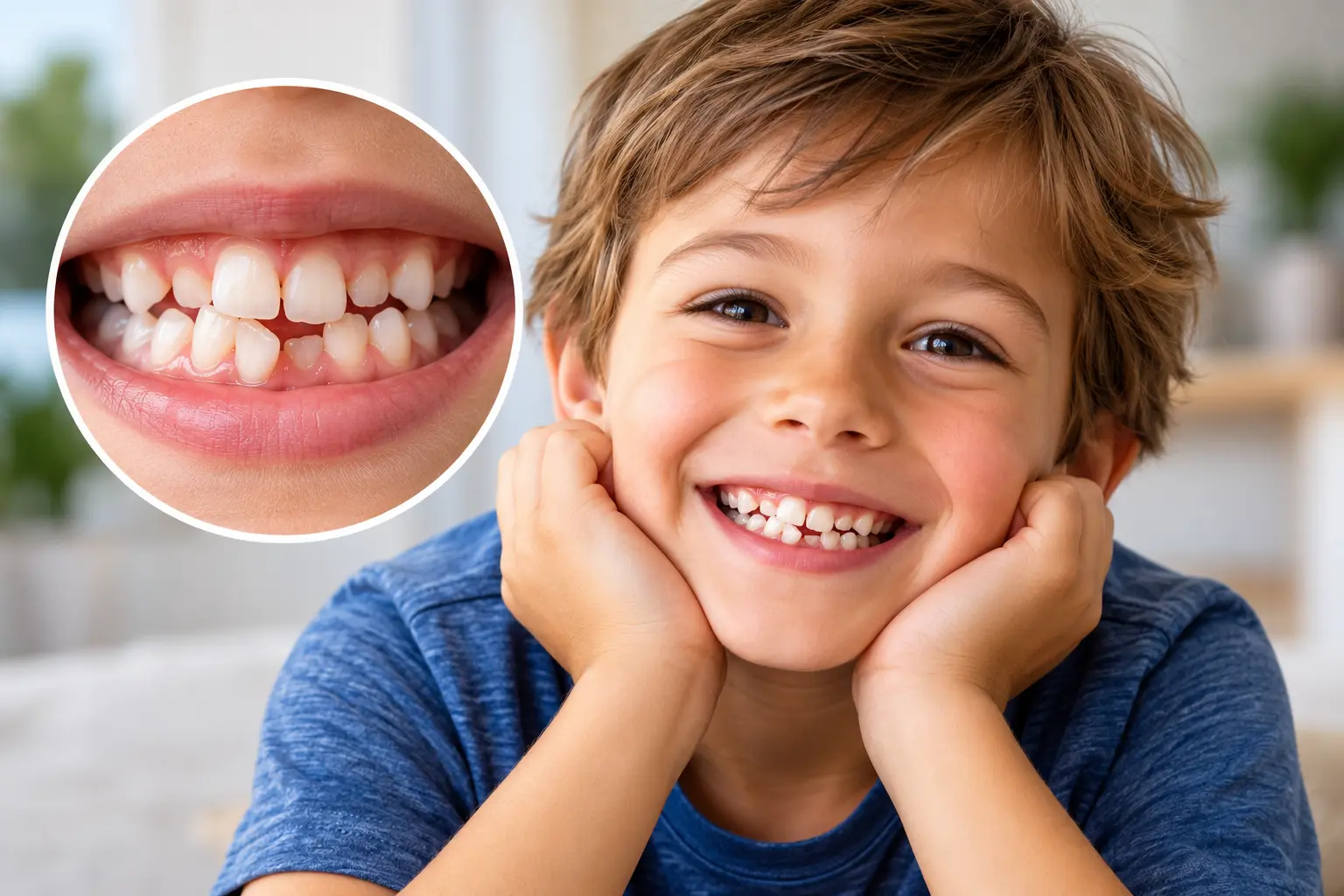
Overall Oral Health: Proper oral function is crucial for maintaining good oral hygiene and preventing dental issues. Myofunctional therapy helps establish healthy oral habits and may reduce the risk of dental problems in the long term.
How Myofunctional Therapy Works
Myofunctional therapy sessions are tailored to each child’s specific needs and abilities. Therapists use a variety of exercises and techniques to strengthen oral muscles, improve coordination, and promote sensory integration.
These may include:
Oral Exercises: Targeting tongue movements, lip closure, and chewing patterns.
Breathing Techniques: Encouraging proper nasal breathing and reducing mouth breathing.
Sensory Integration: Gradual exposure to different textures and tastes to desensitize oral sensitivities.
Practical Tips for Parents and Caregivers
Incorporating myofunctional therapy into daily routines can enhance its effectiveness and make it more manageable for children with autism:
Consistency is Key: Practice therapy exercises regularly to reinforce skills.
Use Visual Supports: Visual schedules and cue cards can help children understand and engage in therapy activities.
Seek Professional Guidance: Work closely with a qualified myofunctional therapist who has experience with children on the autism spectrum.
Real-Life Success
Many parents have shared inspiring stories of how myofunctional therapy has positively impacted their child’s development. Improved speech clarity, better eating habits, and increased confidence in social interactions are common outcomes reported by families. These successes highlight the potential of myofunctional therapy to make a meaningful difference in the lives of children with autism.
Conclusion
Myofunctional therapy offers valuable support for children with autism by addressing specific oral motor challenges and promoting overall development. By focusing on strengthening oral muscles, improving speech clarity, and enhancing social interaction skills, this therapy empowers children to communicate more effectively and engage more comfortably with their environment.
If you’re considering myofunctional therapy for your child with autism, consult with a qualified therapist at Myoway Centers for Kids to discuss how this approach can be tailored to meet your child’s unique needs. Together, we can continue to explore and utilize effective therapies that support every child’s journey towards reaching their full potential.