
Parent Education Event: Connecting Breathing, Sleep, and Focus

Mouth breathing. Restless sleep. Crowded teeth. Trouble focusing. Parents often hear separate explanations for each of these concerns. A dentist may discuss the teeth. A pediatrician may address sleep or behavior. A teacher may notice attention problems at school. Sometimes these concerns truly are separate. In other children, they may be pieces of a larger […]
Mouth Breathing and Child Focus

Most parents notice when their child is struggling to focus. They notice the forgotten homework, the frustration during reading, the emotional meltdowns after school, or the teacher saying, “They seem distracted.” They may notice that their child is tired even after a full night in bed, or that simple instructions have to be repeated again […]
Why Sleep Issues Can Continue After Tonsil and Adenoid Removal

Many parents feel hopeful when their child gets scheduled for tonsil or adenoid removal. They have watched their child snore, breathe through the mouth, toss and turn at night, wake up tired, or struggle with focus during the day. After months, or even years, of concern, the procedure can feel like the answer they have […]
Mouth Breathing and Poor Sleep

Many parents sense that something is off before they can explain exactly what it is. Sometimes it starts with mouth open sleep. Sometimes it is restless nights, poor focus, irritability, snoring, or a child who never seems fully rested. Sometimes it is a parent noticing a familiar pattern and realizing they have seen these signs […]
What If Your Child Is Just Exhausted?

Some children who seem hyper, emotional, unfocused, or constantly in motion may actually be exhausted. When a child is mouth breathing, snoring, grinding their teeth, or working harder to breathe during sleep, it can affect sleep quality. Poor-quality sleep can show up during the day as focus issues, big emotions, irritability, restlessness, and behavior challenges. […]
Snoring and Mouth Breathing in Children May Be a Sign

Many parents hear their child snore and assume it is harmless. It can sound minor, common, or even a little funny at first. In many homes, snoring gets brushed off as just another childhood phase. Parents are often told their child will outgrow it and that there is no reason to worry. The problem is […]
Why Snoring and Mouth Breathing in Children Should Never Be Ignored
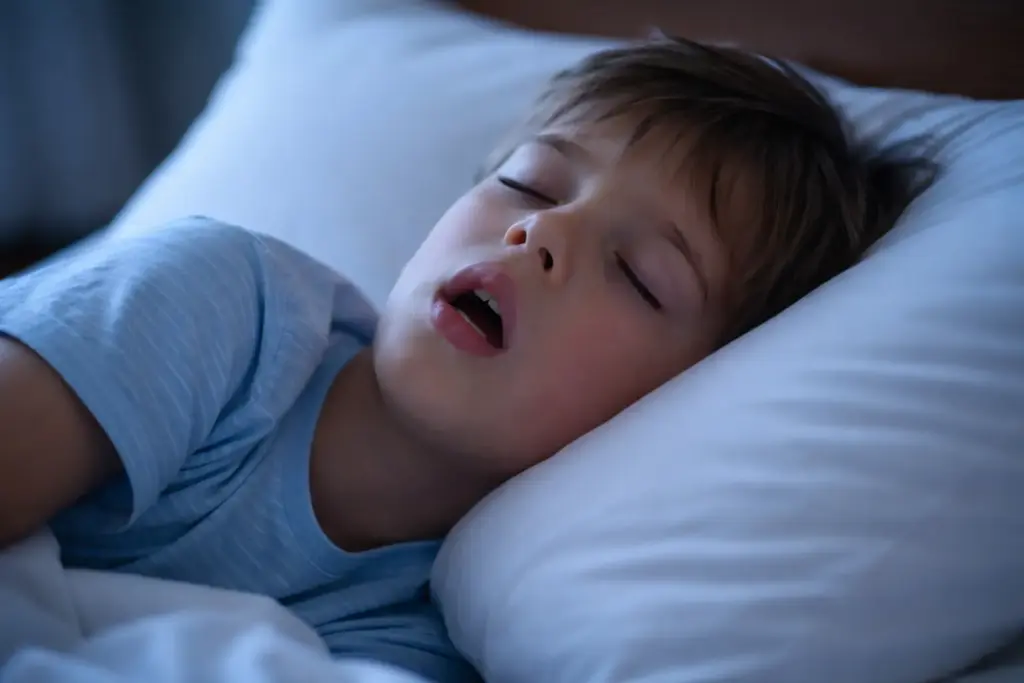
A Hidden Health Concern in Plain Sight As parents, it is easy to dismiss snoring, mouth breathing, or daytime fatigue as just quirks of childhood. After all, many children snore occasionally, and busy school schedules can make anyone tired. However, when these signs appear consistently, they may be more than just passing phases. They could […]
Can Myofunctional Exercises Really Help Kids Sleep Better?

Yes. Guided myofunctional therapy exercises can help children sleep better by supporting nasal breathing, improving muscle function in the mouth and face, and encouraging healthy airway development over time. Why Parents Are Asking This Question More Than Ever Parents today are searching for answers to a common and frustrating problem. Their child snores, breathes through […]