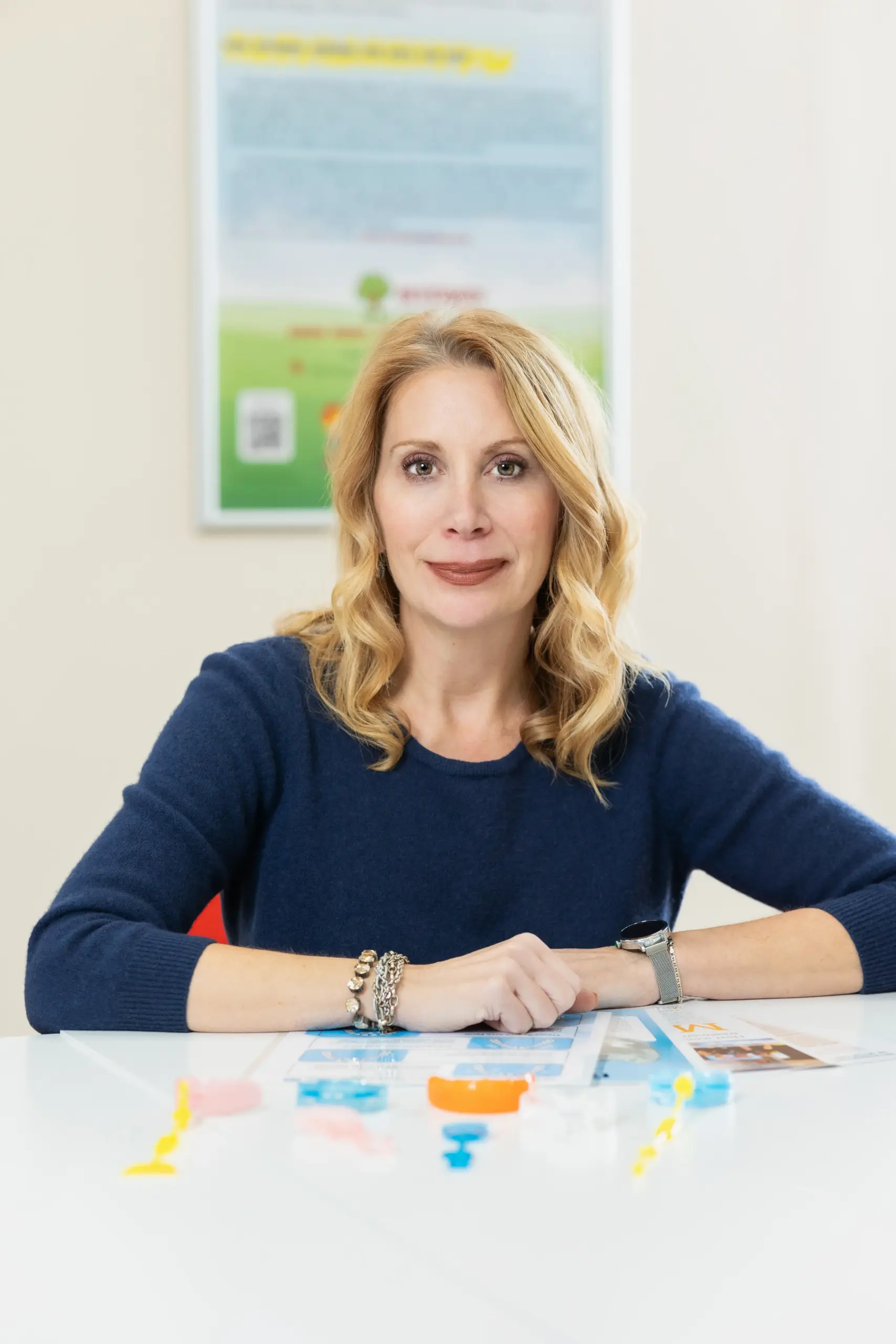

After nearly 30 years as a dentist, I made one of the biggest decisions of my professional life. I stepped away from traditional dentistry to focus on helping children develop healthier jaws, improve oral function, and establish better breathing habits.
People often ask me why I would leave a career I had spent nearly three decades building.
The answer comes from something I began noticing in my adult patients.
Over the years, their medical histories seemed to become increasingly complicated. I was reviewing longer lists of medications, more diagnoses, and health concerns that extended far beyond their teeth.
I found myself spending more time discussing my patients’ overall health. I wanted to understand why so many were struggling with conditions that affected their daily lives.
As I began exploring the research, I became particularly interested in the relationship between breathing, sleep, and long-term health.
That curiosity eventually changed the direction of my career.
I realized I wanted to spend the next chapter of my professional life working with children, while their jaws, facial structures, and oral functions were still developing.
That decision led me to establish MyoWay Centers for Kids.
What Nearly 30 Years in Dentistry Taught Me About Health
One of the privileges of being a dentist is developing long-term relationships with patients. You see people regularly, sometimes for decades, and become familiar with their changing health needs.
Throughout my career, I treated adults with a wide range of medical histories. Over time, I began noticing how frequently conditions involving sleep, breathing, and general health appeared in those histories.
Some patients had obstructive sleep apnea. Others reported poor sleep, fatigue, anxiety, or difficulties affecting their overall well-being.
I wondered whether there might be connections among some of these concerns.
I also began questioning whether certain breathing or sleep difficulties could have been present long before these patients reached adulthood.
Were they children who snored? Did they struggle to breathe comfortably through their noses? Had anyone noticed unusual breathing habits or concerns about their jaw development?
I had no way of knowing the answers for each patient.
I understood that these conditions have many possible causes. My observations did not prove that childhood breathing problems were responsible for the health conditions I encountered in adults.
Still, the questions stayed with me.
I had spent much of my career examining teeth, bites, and oral health. I began to wonder whether I needed to look more closely at how breathing, sleep, and oral function relate to the developing child.
The Connection Between Breathing, Sleep, and a Child’s Development
My interest in breathing led me to study how sleep-related breathing disorders can affect children.
Sleep plays an essential role in growth, learning, memory, and emotional regulation. Children need adequate, good-quality sleep to support their physical and cognitive development.
When breathing becomes disrupted during sleep, the effects can extend beyond feeling tired the next morning.
Obstructive sleep apnea is one condition that can interfere with normal sleep. It occurs when the upper airway becomes partially or completely blocked during sleep, resulting in repeated breathing disturbances.
The symptoms in children are not always what parents expect.
Some children appear tired during the day. Others may struggle with concentration, irritability, restlessness, or behavioral changes.
These symptoms can have many different explanations. Poor sleep is one possibility that deserves consideration, particularly when a child also snores or experiences breathing difficulties at night.
The American Academy of Pediatrics’ clinical guideline on childhood obstructive sleep apnea recommends screening children for snoring and evaluating those with symptoms that suggest a sleep-related breathing disorder.
Learning more about these relationships made me think differently about the opportunity we have during childhood.
Rather than focusing only on concerns that appear later in life, I wanted to help families recognize potential problems earlier.
That does not mean every child with poor sleep has an airway disorder. It means sleep and breathing should be part of a thoughtful conversation about a child’s health.
Why I Chose to Pursue Myofunctional Therapy
As I continued researching breathing and oral development, I discovered the field of myofunctional therapy.
Myofunctional therapy focuses on the function and coordination of the muscles of the tongue, lips, cheeks, and surrounding oral structures.
These muscles are involved in activities children perform every day, including chewing, swallowing, speaking, and maintaining a comfortable resting position.
I had spent years studying the structures of the mouth as a dentist. Myofunctional training helped me explore how those structures work together.
I became particularly interested in the relationship between tongue posture, lip function, swallowing patterns, and breathing habits.
I pursued additional training in myofunctional therapy and became a certified Buteyko breathing instructor.
The Buteyko method introduced me to another area of breathing education, including awareness of breathing patterns and appropriate nasal breathing habits.
My training expanded the way I approached oral function. It also reinforced the importance of understanding why a child might struggle with a particular habit before trying to change it.
For example, a child who regularly breathes through the mouth may have nasal congestion, enlarged tonsils or adenoids, allergies, or another condition that makes nasal breathing difficult.
Exercises alone cannot resolve every underlying cause.
A proper evaluation should identify whether medical care, functional support, or a combination of approaches may be appropriate.
For families who want to understand these concerns in more detail, I recommend reading our article, What Is Really Behind Pediatric Mouth Breathing?.
My goal was not to replace traditional dentistry or medical care. I wanted to expand my understanding of how oral function could be supported as part of a child’s overall development.
Why I Decided to Focus on Children Instead of Adults
The more I learned, the more interested I became in childhood development.
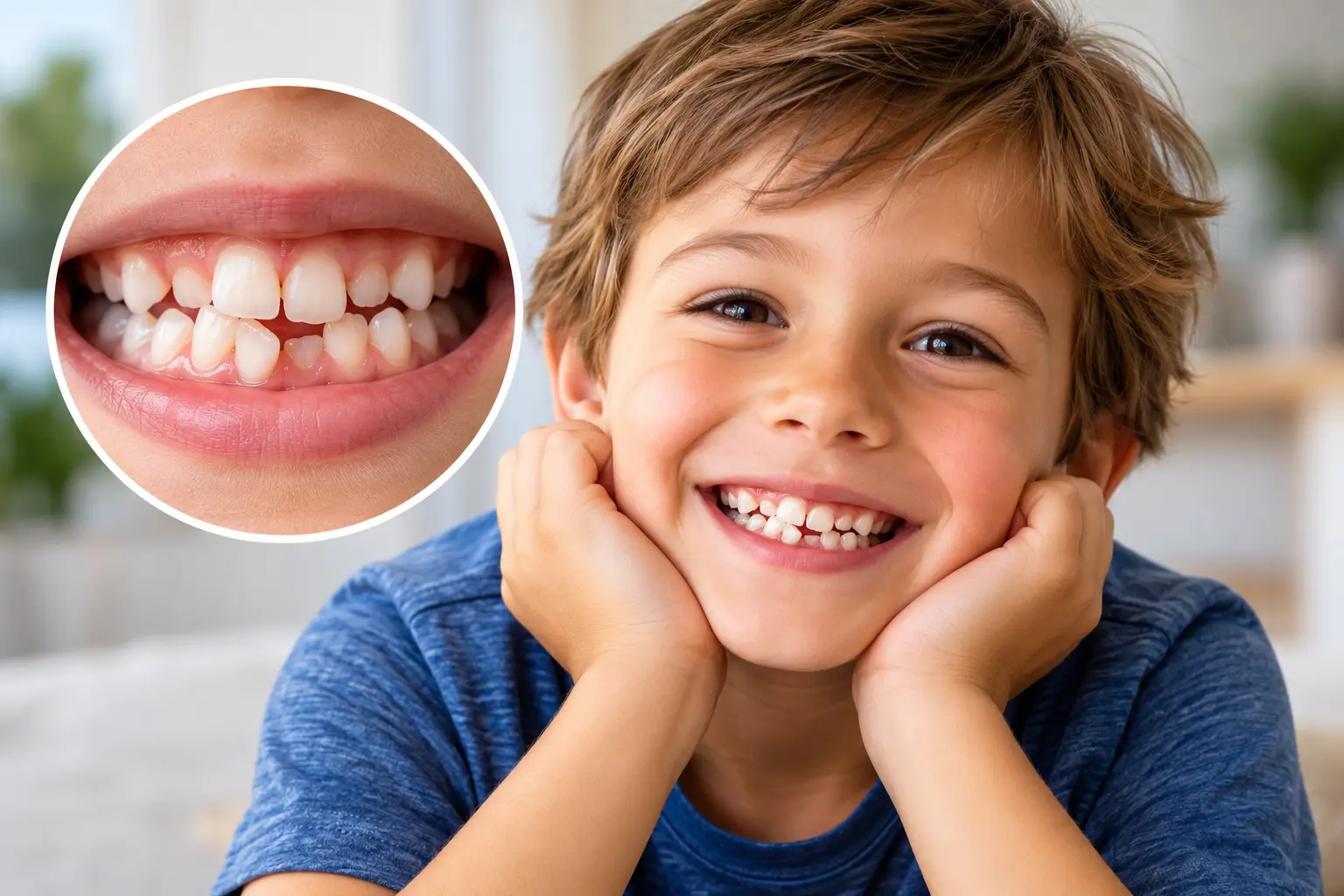
Children are still growing. Their jaws, dental arches, facial structures, and oral functions change considerably throughout childhood.
This creates opportunities to recognize developmental concerns and determine whether guidance or intervention may be helpful.
As a dentist, I understood the importance of monitoring how teeth and jaws develop. My additional education encouraged me to consider functional patterns alongside those structural changes.
I began paying closer attention to questions such as whether a child could comfortably keep their lips together at rest, whether they could breathe through their nose, and how their tongue functioned during swallowing.
These observations do not automatically indicate a medical problem. Many children develop normally despite temporary habits or differences in oral posture.
Persistent concerns, however, may justify a closer look.
The American Academy of Pediatric Dentistry explains in its guidance on developing teeth and jaw alignment that timely evaluation can help professionals identify developmental concerns and determine appropriate treatment when necessary.
I believe parents benefit from understanding that dental development involves more than straight teeth.
The mouth is part of a larger functional system. Breathing, chewing, swallowing, and oral muscle coordination all deserve attention when there is reason for concern.
That perspective ultimately shaped my decision to work with children.
I wanted to help families become more aware of these important aspects of development while their children were still growing.
What I Wish More Parents Understood About Breathing and Sleep
One thing I have learned is that parents often notice subtle changes in their children long before they know what those changes might mean.
A parent may tell me that their child sleeps with their mouth open. Another may mention regular snoring or restless nights.
Some describe a child who wakes up tired despite spending plenty of time in bed.
These observations are worth discussing with a healthcare professional, particularly when they happen frequently.
I encourage parents to pay attention to a few everyday patterns:
-
Frequent snoring, gasping, or pauses in breathing during sleep
-
Persistent mouth breathing when the child is not congested
-
Restless sleep or repeated nighttime waking
-
Difficulty maintaining comfortable lip closure
-
Unusual swallowing patterns or concerns about tongue movement
-
Persistent daytime tiredness or concentration difficulties
None of these signs, by itself, confirms a breathing disorder or indicates that a child needs myofunctional therapy.
Some symptoms may relate to temporary illness, allergies, normal developmental variation, or other medical and behavioral factors.
The key is understanding what is causing the concern.
For example, a child who regularly snores may need an evaluation by their pediatrician or an appropriate sleep specialist. A child with persistent nasal obstruction may benefit from an examination by an ear, nose, and throat specialist.
The American Academy of Pediatric Dentistry’s policy on obstructive sleep apnea supports screening for sleep-related breathing concerns and referring children for appropriate medical evaluation when indicated.
Parents can also explore the range of oral function and developmental concerns discussed on our Conditions We Treat page.
My intention is not to make families worry about every breathing habit or restless night.
I want parents to feel comfortable asking questions when something does not seem right.
How Myofunctional Therapy Fits Into Children’s Care
When I founded MyoWay Centers for Kids, I wanted to create a place where families could learn more about their children’s oral function, breathing habits, and jaw development.
Our approach begins with understanding the individual child.
We consider concerns involving tongue function, lip closure, swallowing, oral resting posture, and breathing patterns. We also recognize when a child may need evaluation from another healthcare professional.
Myofunctional therapy uses guided activities to support selected oral and facial muscle functions.
Depending on the child’s needs, therapy may focus on improving tongue coordination, developing more consistent oral resting habits, or supporting appropriate swallowing patterns.
Some children may benefit from additional dental or orthodontic assessment. Others may require medical attention before functional therapy is considered.
I believe it is important to be clear about the limitations of treatment.
Myofunctional therapy is not a proven stand-alone treatment for pediatric obstructive sleep apnea.
A 2026 systematic review published in Sleep Medicine found that the evidence did not support isolated myofunctional exercises as a first-line treatment for childhood obstructive sleep-disordered breathing. The researchers also identified limitations in the quality of available studies.
This does not mean oral muscle function is unimportant. It means families need realistic expectations and care that is appropriate for their child’s circumstances.
Myofunctional therapy may have a role in addressing particular functional concerns. It should not replace medical assessment or established treatment for an underlying breathing disorder.
At MyoWay, we aim to help families understand those distinctions.
Parents who would like to learn more about our approach can explore our Programs and Therapy page.
Why Working Together Is So Important
My years in dentistry taught me that no single professional has every answer.
A child’s breathing, sleep, and oral development may involve several different areas of healthcare.
A pediatrician may identify symptoms that suggest a sleep disorder. An orthodontist may evaluate dental and jaw development. An ear, nose, and throat specialist may investigate nasal obstruction or enlarged tonsils and adenoids.
A qualified myofunctional therapist may assess concerns involving oral muscle function and coordination.
Each professional contributes a different perspective.
I believe children benefit when these professionals communicate and recognize the limits of their individual specialties.
For me, this is an important part of responsible care.
Not every child who breathes through the mouth needs an appliance. Not every child with crowded teeth has a breathing disorder. Not every child with restless sleep needs myofunctional therapy.
The right approach begins with understanding the child rather than assuming that one treatment is appropriate for everyone.
My experience as a dentist continues to influence how I think about these decisions.
I value careful observation, appropriate referrals, and helping parents understand the reasons behind recommendations.
The Mission Behind MyoWay Centers for Kids
Three years ago, I started MyoWay Centers for Kids with a mission that reflected everything I had learned throughout my career.
I wanted to help children grow right, breathe right, and live their best life.
Those words are more than a slogan to me.
They reflect my belief that children’s breathing habits, oral function, and jaw development deserve thoughtful attention.
I also wanted families to have access to education that could help them recognize when something might need further evaluation.
My decision to leave traditional dentistry was not driven by the belief that I could prevent every medical condition I had seen in my adult patients.
I knew that would not be realistic.
Health is influenced by many factors, and no single therapy can guarantee lifelong outcomes.
What motivated me was the possibility of making a meaningful difference earlier in a child’s development.
After nearly 30 years as a dentist, I had seen how important it was to ask the right questions.
I wanted to spend the next part of my career helping families ask those questions while their children were still young.
That is why MyoWay Centers for Kids exists.
What I Want Parents to Remember
If there is one thing I hope parents take away from my story, it is that understanding your child’s health begins with paying attention.
Notice how your child breathes at rest. Pay attention to persistent sleep concerns. Ask questions if you observe unusual oral habits, swallowing difficulties, or changes in their development.
You do not need to have the answers yourself.
A qualified evaluation can help determine whether a concern is temporary, requires monitoring, or deserves additional medical or dental attention.
For families interested in learning more about oral function and myofunctional therapy, I invite you to schedule a free consultation with MyoWay Centers for Kids.
We can discuss your concerns, explain our approach, and help you understand whether further evaluation may be appropriate.
My career has taken a different direction than I originally imagined, yet the reason I entered healthcare has never changed.
I want to help people live healthier lives.
Today, I have the opportunity to pursue that mission by focusing on children, their development, and the families who want to give them the best possible start.
Medical Disclaimer
This article is intended for educational and informational purposes only and does not constitute medical advice, diagnosis, or treatment. Every child’s development and healthcare needs are unique. Myofunctional therapy may support oral muscle function, breathing habits, and jaw development, but individual results vary. It is not a substitute for medical evaluation or treatment of sleep-related breathing disorders. Parents should consult a qualified healthcare professional regarding concerns about their child’s breathing, sleep, or development.