
How Is Your Child Breathing at Night?

A child can spend nine or ten hours in bed and still wake up tired. That can be confusing for parents. Bedtime seemed reasonable. The child stayed in bed. Nothing obvious happened overnight. Yet mornings are difficult, energy drops during the day, or teachers begin mentioning focus, mood, or behavior. Sometimes the missing information is […]
Parent Education Event: Connecting Breathing, Sleep, and Focus

Mouth breathing. Restless sleep. Crowded teeth. Trouble focusing. Parents often hear separate explanations for each of these concerns. A dentist may discuss the teeth. A pediatrician may address sleep or behavior. A teacher may notice attention problems at school. Sometimes these concerns truly are separate. In other children, they may be pieces of a larger […]
The MyoWay Centers for Kids System

When a parent commits to a myofunctional therapy program for their child, one of the most important questions is often overlooked: How will we know whether the program is actually making progress? In my clinical work at MyoWay Centers for Kids, I take that question seriously. A child should not simply receive an appliance, complete […]
Myofunctional Therapy and Orthodontics

When parents think about orthodontic treatment, they usually focus on what they can see. A child may have crowded teeth, an uneven bite, or teeth that are coming in crooked. Braces, aligners, expanders, and other orthodontic appliances can help correct many of these concerns. However, the position of the teeth is only one part of […]
How Eating Habits Affect Jaw Growth

The way your child eats can tell you more than what foods they like or dislike. Chewing, swallowing, food texture preferences, and mouth posture can all offer important clues about how your child’s jaw, facial muscles, and airway are developing. At MyoWay Centers for Kids, we often meet parents who are concerned about picky eating, […]
Will Kids Wear Myofunctional Appliances?

One of the first questions many parents ask before starting pediatric myofunctional therapy is simple. Will my child actually wear the appliances? It is a fair question. Parents already work hard to keep bedtime calm. Adding something new can feel like one more challenge, especially when a child feels tired, sensitive, or unsure about change. […]
Mouth Breathing and Child Focus

Most parents notice when their child is struggling to focus. They notice the forgotten homework, the frustration during reading, the emotional meltdowns after school, or the teacher saying, “They seem distracted.” They may notice that their child is tired even after a full night in bed, or that simple instructions have to be repeated again […]
Your Child’s Memory and Focus

When a child struggles to remember what they learned in school, most parents first think about attention, motivation, behavior, or effort. They may wonder why their child can understand something one moment and seem to forget it the next. Teachers may say the child is bright, but easily distracted. Homework may take longer than expected, […]
Can Poor Sleep Look Like ADHD?

As parents, it is heartbreaking to watch your child struggle and not know why. Maybe your child has trouble focusing in school. Maybe homework takes twice as long as it should. Maybe mornings feel emotional, bedtime feels exhausting, and teachers are starting to mention restlessness, impulsive behavior, or difficulty paying attention. For many families, the […]
Airway Resistance in Children and Sleep
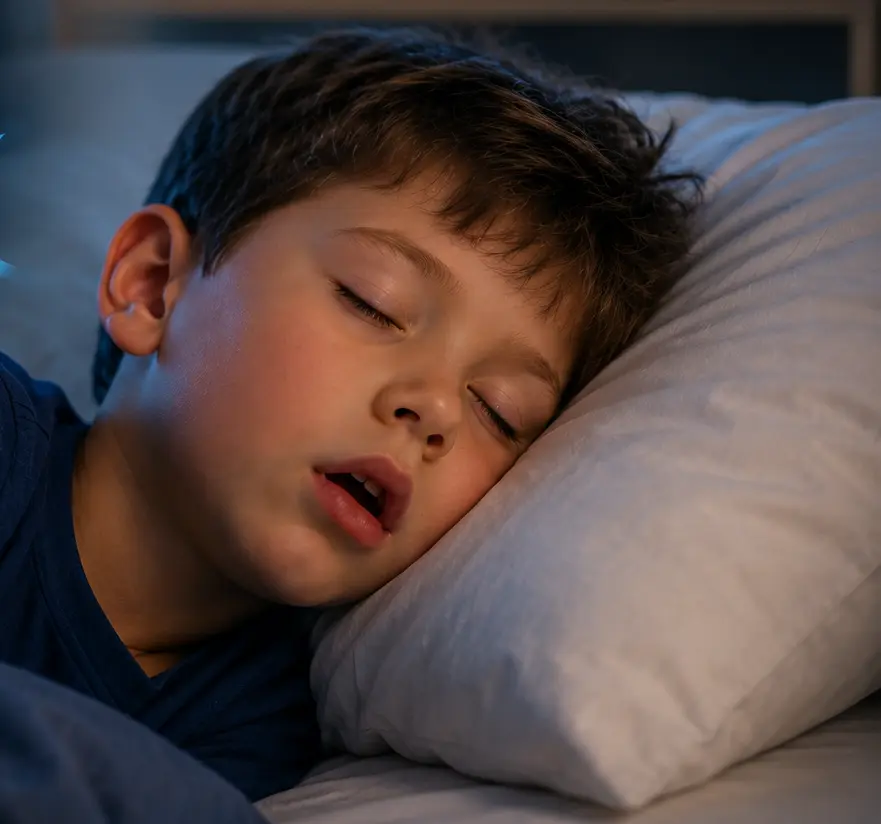
Yes, a child can sleep through the night and still have airway resistance. Sleep quality is not only measured by whether a child wakes up. It is also measured by how well they breathe while they sleep. When breathing is harder than it should be during sleep, it may affect oxygen levels, rest quality, brain […]