Parents often ask me how to find myofunctional therapy near them. I understand that search. You want help for your child, and you want a plan that fits your family’s daily life. Here is what I want you to know. Care does not always have to be down the street. At MyoWay Centers for Kids, we offer virtual myofunctional therapy through a video program. Families can work with our team even when a local clinic is not nearby.
I still take this work seriously when the visit happens on a screen. We do not send an appliance, cross our fingers, and hope for the best. We give your child the support that child needs, we stay with you at each step, and we measure progress so you can see what is changing.
Why a Nearby Office Is Not Always Within Reach
It is natural to look for care close to home. A nearby office can feel easier to trust, and travel can be hard with school, work, and other appointments. Trained pediatric myofunctional care is not available in every community. Some families live hours from a clinic. Some have already heard that they should wait, or they cannot find a program that measures more than appliance use.
The American Academy of Pediatrics policy on telehealth and access to pediatric care states that children deserve access to quality health care regardless of geographic location. The academy also notes that remote care can extend pediatric expertise to families who would otherwise have a long trip, or no nearby option at all. That policy is about access to care. It is not a claim that every health service is the same when a provider offers it by video.
I keep that difference in mind. Virtual myofunctional therapy can open a door for families who cannot easily reach our office. It should still be thoughtful, measured, and honest about its limits.
What Virtual Myofunctional Therapy Looks Like
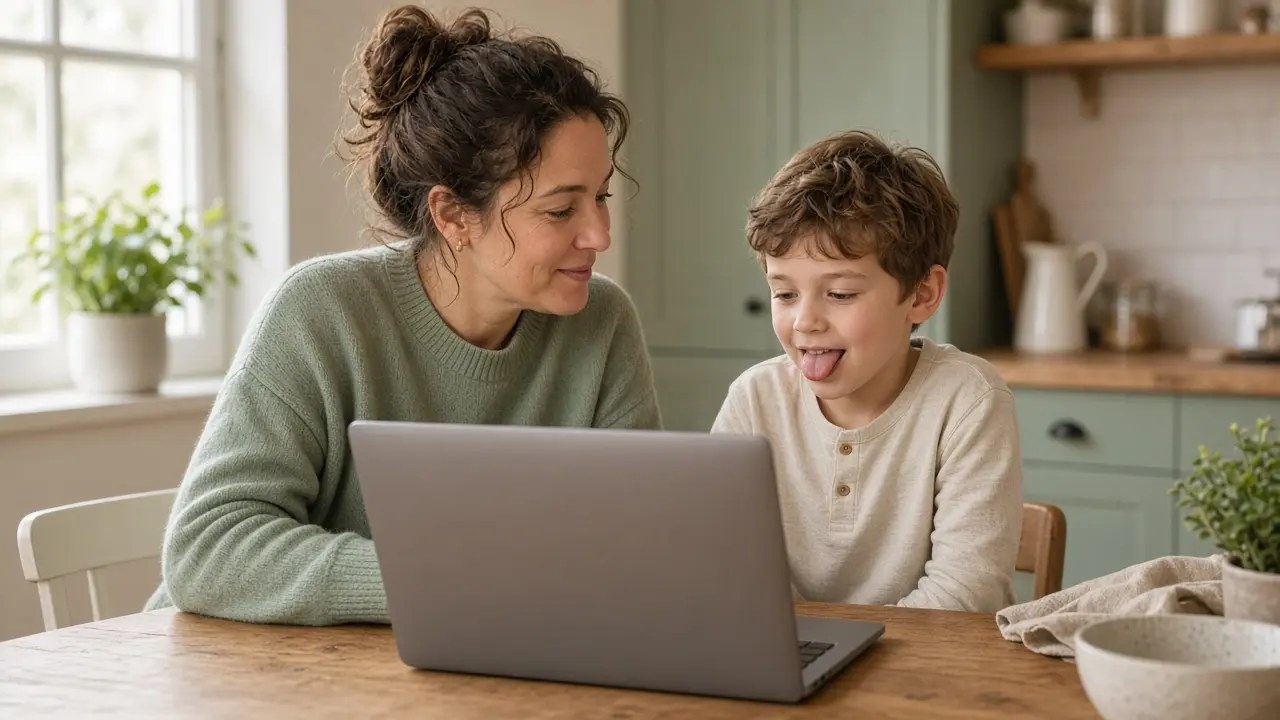
In our virtual video program, your child and a caregiver meet with a member of our team on a secure video visit. The child needs to be present for the full session so we can see how the mouth, tongue, and breathing look in real time. We coach exercises, review appliance use when an appliance is part of the plan, practice breathing, and teach you what to work on at home. We also watch progress from visit to visit.
Our Programs and Therapy page explains how we personalize our Developmental Level Programs after an evaluation. The same idea applies when the visit is by video. The plan should match the child in front of us, not a generic script.
The American Speech-Language-Hearing Association describes video-based therapy, which it calls telepractice, as a way some therapy services can be delivered. The association says clinicians should consider whether a child and family are a good fit. That includes comfort with technology, a quiet and private space, a reliable connection, the child’s ability to stay engaged on a screen, and the support of a caregiver during the session. Those points match what I look for as well.
I will not tell you that a video visit is identical to an in-person visit in our office. A screen can limit what we can see, feel, or test. Some children attend and practice well in this format. Some need a different setting. A thoughtful evaluation helps us decide whether virtual myofunctional therapy is appropriate for your child.
A few practical steps can make a video visit clearer. Choose a quiet, well-lit room. Position the camera so we can see your child’s mouth. Have any prescribed appliances or materials nearby. Plan for your child to participate without a television or other distractions in the background.
How We Measure Progress in Virtual Myofunctional Therapy
Parents often ask a fair question. If we are not sitting in the same room, how do you know the program is helping?
I ask the same question in every program we offer, whether the visit is virtual or in the office. Hope is not a plan. We set goals, we measure, and we share those results with you. In my clinical work, that usually includes muscle performance, breathing performance, and changes in the symptoms you came in with. We review those findings at regular visits so you are not left to wonder what is happening.
Measurement helps us see whether a skill is improving, staying the same, or needing a new approach. It does not promise a particular outcome. Children differ in age, growth, airway health, practice at home, and medical needs. Results vary.
If you want a closer look at how we document a starting point and follow function over time, you can read The MyoWay Centers for Kids System. That article is about the structure of progress tracking. This one is about how that same habit of measuring supports families in a virtual program.
I also want you to hear the results in plain language. Numbers and notes only help when a parent can understand them. We will talk through what we are seeing, what we want to work on next, and whether another specialist should be involved.
Why an Appliance Alone Is Not a Complete Program
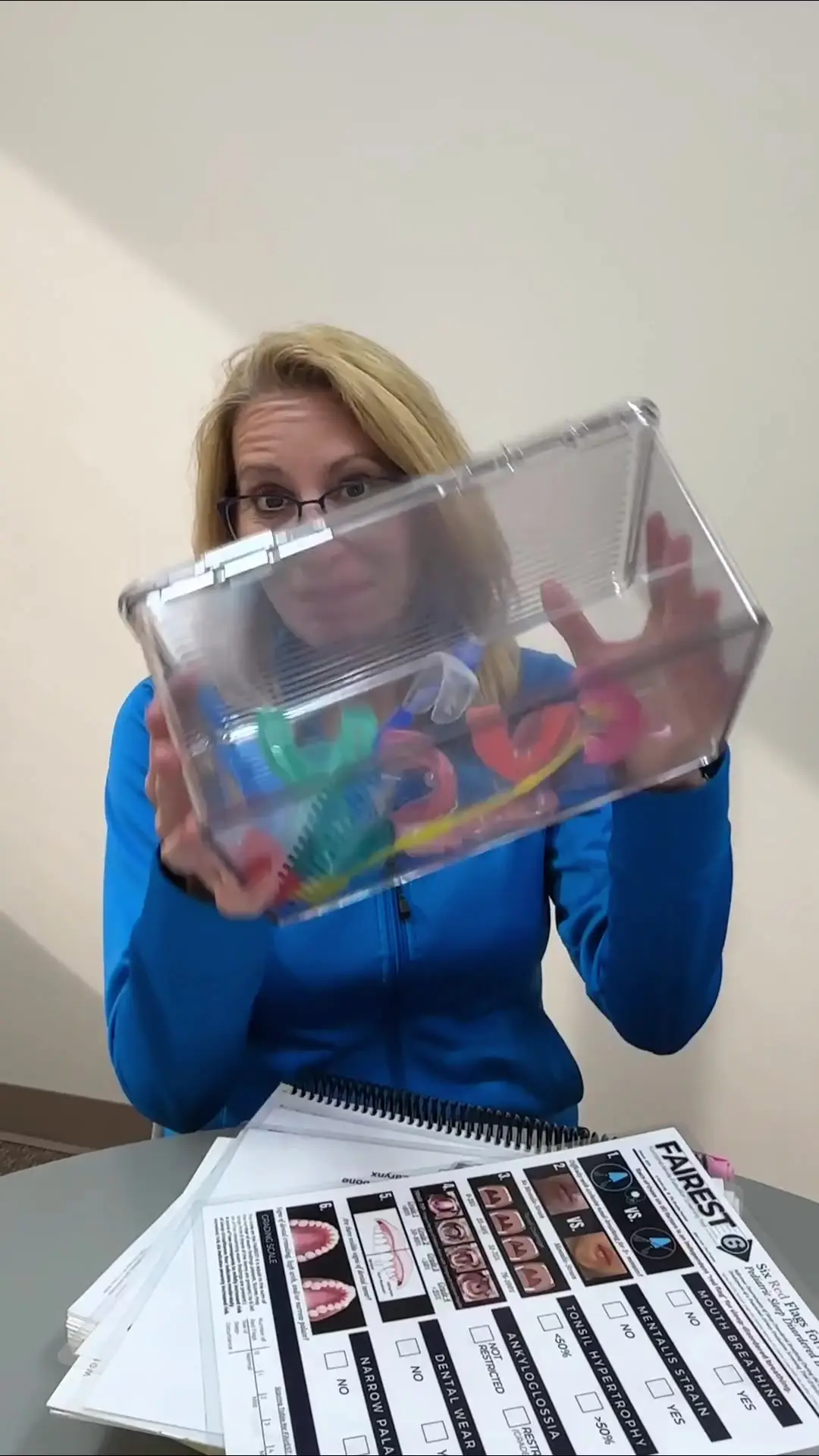
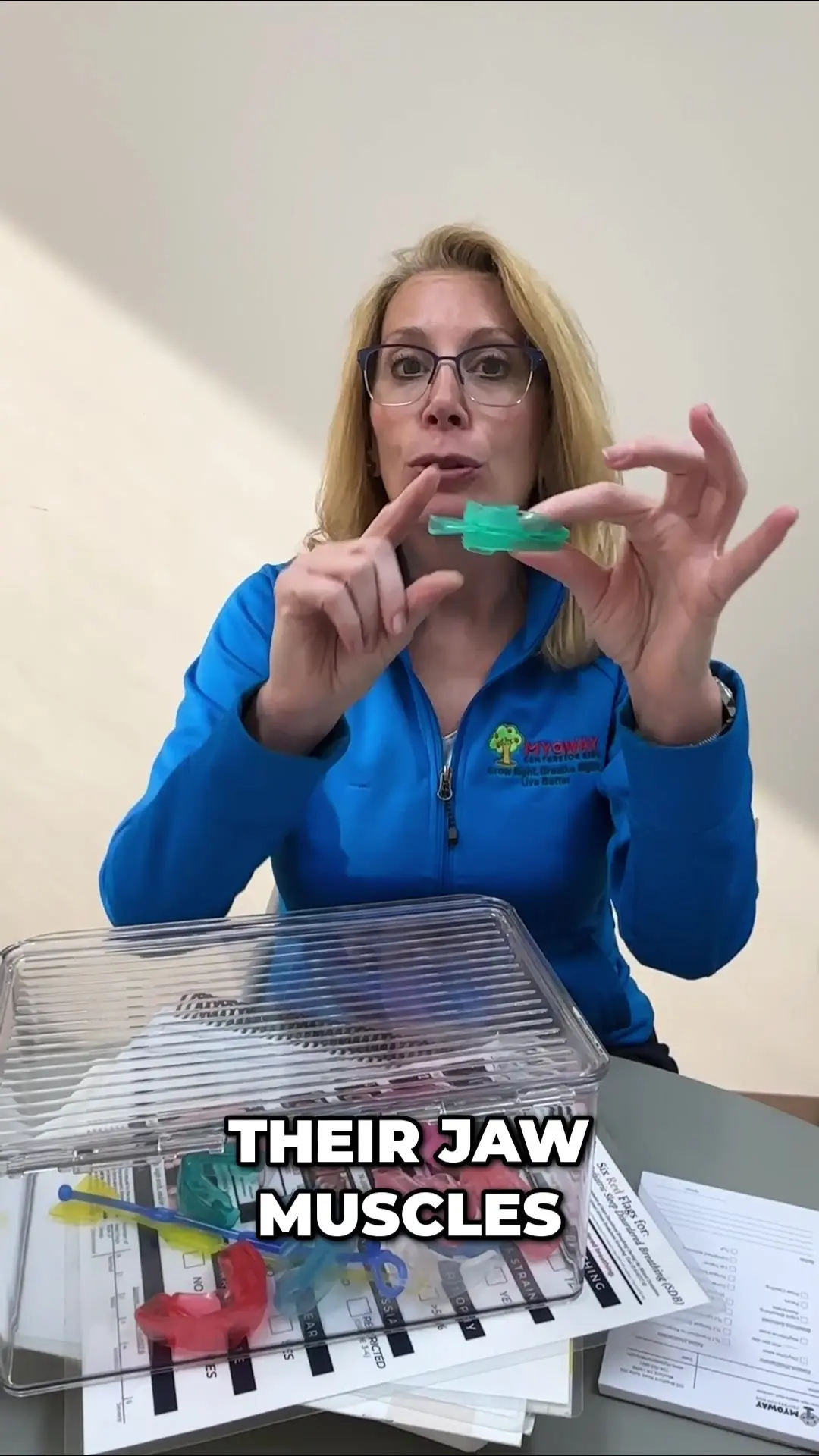
Some programs offer families a device and little else. I understand why that can feel simple. An appliance is visible, and it has a clear routine. In my experience, a device is a tool, not the whole program.
The American Speech-Language-Hearing Association explains that muscle patterns of the mouth and face can affect tongue position, swallowing, breathing, and speech. Those patterns may come from a mix of learned habits, structural differences, and other factors. The association notes that therapy may include exercises with or without devices, and that trained practitioners should direct the work as part of a team. The main aim is to support an oral environment in which typical growth can take place.
The association also makes a limit clear. A comfortable closed-mouth posture cannot be consistently established until airway problems such as allergies or enlarged tonsils or adenoids have been addressed. Breathing exercises and appliances are not a substitute for that medical care.
That is why I will not leave a family with a device and a wish. We look at what your child actually needs. That may include muscle practice, breathing work, parent coaching, and, when it is appropriate, one or more appliances. Our article on what to look for in a pediatric myofunctional therapy program explains this in more detail. Our guide to pediatric myofunctional therapy as more than mouth exercises describes the daily functions we pay attention to.
When a Child Still Needs In-Person Medical Care
Virtual myofunctional therapy does not replace your child’s pediatrician, and it does not replace specialty medical care. A screen cannot answer some questions well. The American Academy of Pediatrics makes this point in its telehealth policy. Quality standards apply to remote visits and in-person visits alike. Those standards also include knowing when a needed evaluation is not possible remotely, so that the limits of a video visit do not lower the quality of care.
A local, in-person visit may be needed if your child has persistent nasal blockage, frequent tonsil or adenoid concerns, signs of a possible sleep-related breathing problem, or a question that requires a medical test. A qualified physician should evaluate suspected obstructive sleep apnea. Orthodontic, dental, or surgical questions may also belong with another provider.
In those situations, we still have a role. We can share what we are seeing, help you organize questions, and work alongside the clinicians who care for your child in person. The goal is a coordinated plan, not a program that tries to do every job from a laptop.
Virtual care also depends on practical conditions. A steady internet connection, a device with a camera, a reasonably quiet space, and a caregiver who can help during the visit all matter. If those pieces are not in place, or if your child cannot participate well on a screen, we should talk about other options rather than force a format that does not fit.
How Virtual Myofunctional Therapy Keeps Us Connected Between Visits
A visit is only one part of the week. The practice that happens at home is where skills have a chance to settle in. I do not want you to feel left alone with a list of exercises and no support.
Between sessions, we give you clear goals, the next exercises, and a way to review how practice is going. We may also use instructional videos so you can see the movements again after the visit ends. When you have a question, you should not have to guess. The point of staying with you at every step is to keep the plan understandable and to adjust it when something is not working.
Parents are partners in this work. You see how your child sleeps, eats, practices, and feels during ordinary days. That information helps us interpret the measurements we take during visits. A virtual program can make that partnership easier in some ways, because we are already meeting you in your home. It still asks for your time and attention. We will be honest about that from the start.
Frequently Asked Questions
Can my child receive virtual myofunctional therapy if we do not live near a clinic?
Often, yes, if a virtual program is a good fit for your child and your family. A free consultation can help us review your child’s needs, your location, and whether video visits can be set up in a useful way. Nearby care is helpful when it is available. It is not the only way to reach a trained team.
Is virtual myofunctional therapy the same as an in-person visit?
No. We can coach, observe, measure, and teach through a video visit, and many families use this format well. A screen still has limits. Some evaluations and medical tests need to happen in person. I will not tell you the two settings are identical.
How do you know if the program is helping?
We set goals and measure areas such as muscle performance, breathing, and the symptoms you reported. We share those results with you at follow-up visits. Measurement helps us see change over time. It is not a guarantee of a specific result.
Will my child still need a local doctor?
In many cases, yes. Your pediatrician remains an important part of your child’s care. An ear, nose, and throat specialist, a sleep physician, a dentist, or an orthodontist may also be needed. Virtual myofunctional therapy is not a substitute for medical diagnosis or treatment.
What does my family need for a video visit?
You need a reliable internet connection, a device with a camera and microphone, a quiet and well-lit space, and a caregiver present with the child. The camera should show your child’s mouth clearly. Any prescribed appliances or materials should be within reach.
Is a virtual program a good fit for every child?
No. A child’s age, attention, comfort on a screen, medical needs, and home setup all matter. Some children do better with an in-person visit, or with a mix of settings. An evaluation can help determine the better next step.
Do you only mail an appliance and check in later?
No. An appliance, when it is used, is one tool in a broader plan. We provide guidance, exercises, breathing practice, parent education, and regular progress reviews. A device without that support is not the program I want for a child.
How do we get started if we are interested in virtual care?
You can reach out for a free consultation. We will listen to your concerns, explain how a virtual program works, and help you understand whether it may be appropriate for your child. You can also start with a short risk quiz if you want help organizing the signs you have noticed.
Learning Whether Virtual Myofunctional Therapy May Help Your Child
If you have been searching for myofunctional therapy near you, you do not have to set that question aside just because a clinic is not around the corner. I am happy to talk with you about virtual myofunctional therapy, what we would measure, and what a local clinician should still handle. You can reach out to MyoWay Centers for Kids to learn more, or take the Risk Quiz to gather your observations before we talk.
This article is for general educational purposes only and is not medical advice. Virtual myofunctional therapy does not diagnose or cure obstructive sleep apnea or any other condition, and it does not replace in-person medical, dental, or surgical care. Every child is different, and results vary. Please talk with your pediatrician or a qualified specialist about your child’s symptoms.
When you are ready, you can schedule a free consultation with our team.