
How Is Your Child Breathing at Night?

A child can spend nine or ten hours in bed and still wake up tired. That can be confusing for parents. Bedtime seemed reasonable. The child stayed in bed. Nothing obvious happened overnight. Yet mornings are difficult, energy drops during the day, or teachers begin mentioning focus, mood, or behavior. Sometimes the missing information is […]
Parent Education Event: Connecting Breathing, Sleep, and Focus

Mouth breathing. Restless sleep. Crowded teeth. Trouble focusing. Parents often hear separate explanations for each of these concerns. A dentist may discuss the teeth. A pediatrician may address sleep or behavior. A teacher may notice attention problems at school. Sometimes these concerns truly are separate. In other children, they may be pieces of a larger […]
Can Sleep Problems Make ADHD Symptoms Worse in Kids?

Many parents come to MyoWay after trying to understand their child’s attention, behavior, and emotional regulation from several different directions. They may have spoken with teachers, pediatricians, therapists, or specialists. They may have tried new routines, classroom accommodations, behavior strategies, or other forms of support. Some children already have a diagnosis of attention deficit […]
Olivia’s Myofunctional Therapy Journey

Parents often ask what progress should look like during pediatric myofunctional therapy. Should their child sleep better? Should snoring decrease? Will they notice changes in energy, breathing, tongue posture, or jaw development? The answer depends on the child. Progress does not always appear in one place or follow the same timeline. At MyoWay Centers for […]
Crowded Teeth in Kids: What Parents Should Know

Crowded teeth in kids are often viewed as a future orthodontic problem. Parents may notice overlapping teeth or a permanent tooth coming in at an angle and immediately wonder about braces. However, crowded teeth can tell us more than whether a child may need orthodontic care later. They can also raise useful questions about dental […]
Why Kids Wear Myofunctional Appliances Day and Night
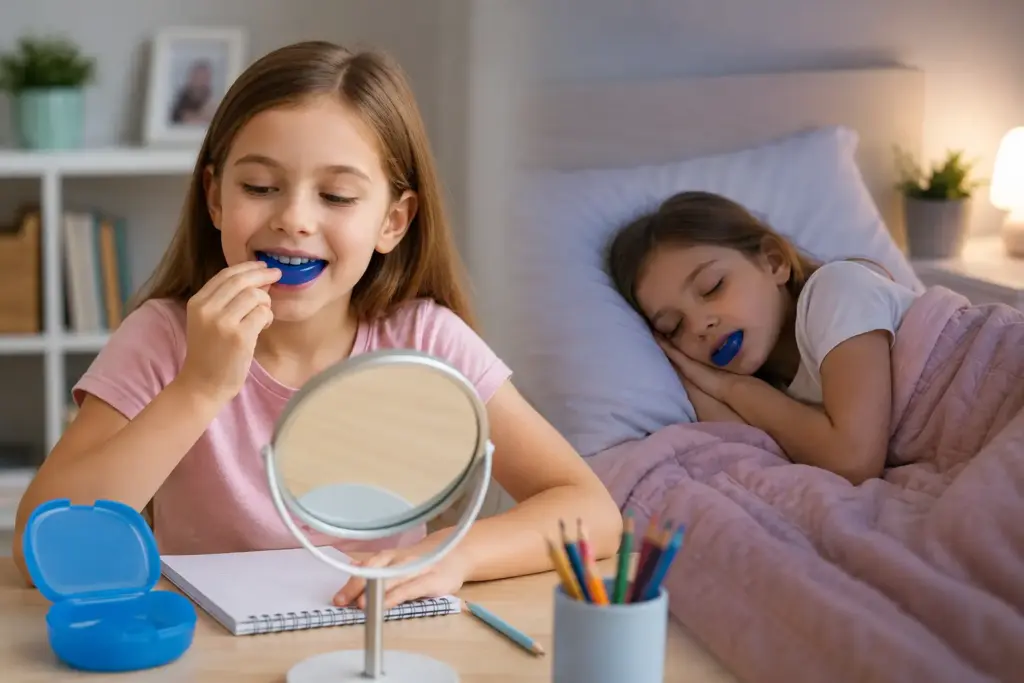
When I explain a myofunctional appliance program to parents, one of the first practical questions is often about the wear schedule. Why does a child need to use an appliance while awake and then wear it again while sleeping? If nighttime use provides support for several hours, why is daytime practice necessary? Likewise, if exercises […]
Pediatric Airway Warning Signs Parents Should Know
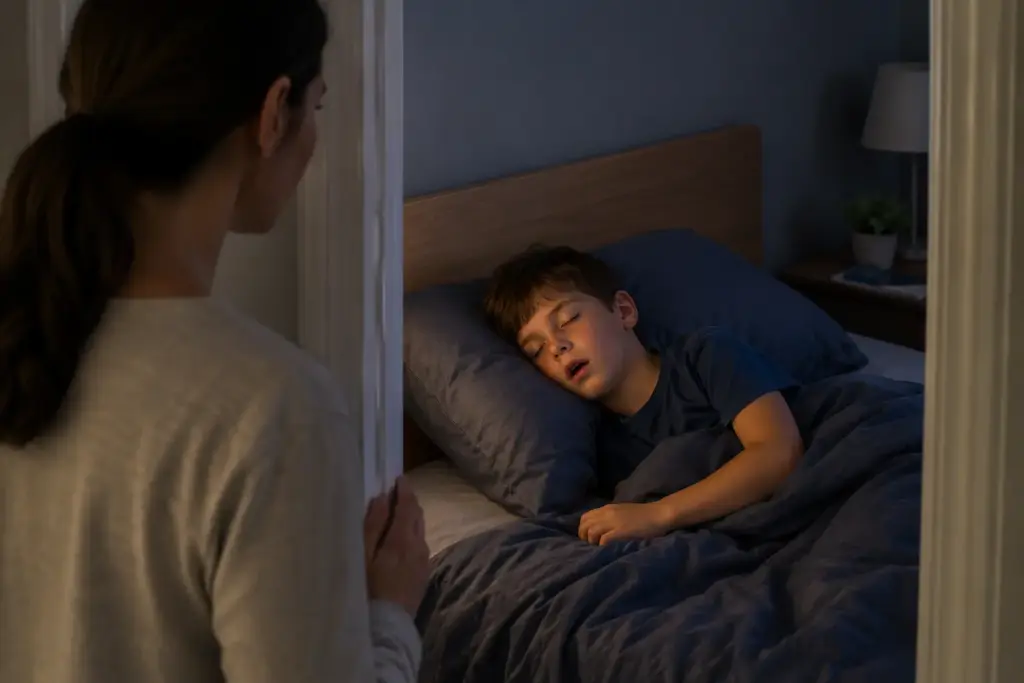
Parents rarely come into an appointment saying, “I think my child has an airway problem.” More often, they mention things that seem unrelated. Their child snores, sleeps with their mouth open, grinds their teeth, moves constantly at night, wakes up tired, wets the bed, or has difficulty focusing during the day. Any one of these […]
Airway-First Care vs. Appliance-Only Approach

When parents come into my office concerned about crowded teeth, mouth breathing, poor sleep, or jaw development, it is natural for the conversation to turn quickly to appliances. Parents want to know what their child needs, how long they will wear it, and what the appliance is supposed to accomplish. Those are important questions. In […]
The MyoWay Centers for Kids System

When a parent commits to a myofunctional therapy program for their child, one of the most important questions is often overlooked: How will we know whether the program is actually making progress? In my clinical work at MyoWay Centers for Kids, I take that question seriously. A child should not simply receive an appliance, complete […]
Pediatric Airway Problems Can Be Missed

Parents often know when something does not quite add up. Your child may be seeing a pediatrician because of trouble focusing. The dentist may have mentioned crowded teeth or a narrow palate. A speech therapist may be working on tongue placement, swallowing, or an open-mouth posture. At night, you may notice restless sleep, snoring, […]